Conexiones entre Epistemología Andina y Lógica Neutrosófica: Evaluando los Modelos Fundacionales en la Complejidad Cultural.
Palabras clave:
Epistemología andina, neutrosofía, inteligencia artificial, ch'ixi, yanantinResumen
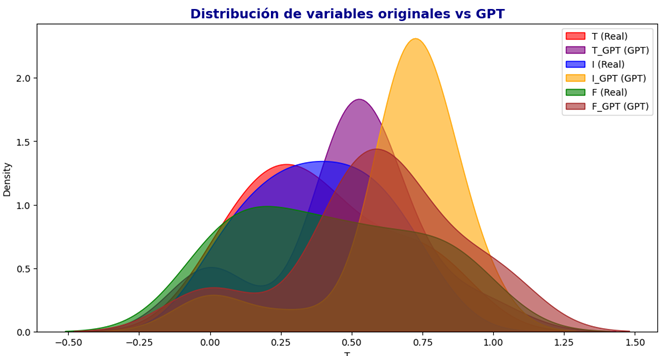
Este artículo explora el potencial de la epistemología andina -enraizada en los principios de complementariedad (yanantin), interdependencia e indeterminación- para enriquecer la ciencia contemporánea y la inteligencia artificial (IA). Al trascender la lógica binaria mediante conceptos como ch'ixi (coexistencia simultánea de opuestos) y yanantin, el pensamiento andino se alinea con la lógica neutrosófica de Florentin Smarandache, un sistema que formaliza la verdad (T), la falsedad (F) y la indeterminación (I) para navegar por la ambigüedad. El multialismo de Smarandache, que hace hincapié en la coexistencia de múltiples perspectivas, resuena además con la cosmovisión andina, ofreciendo un marco para reinterpretar la mitología y el folclore más allá de las dualidades rígidas. La integración de estos principios en la IA podría fomentar sistemas que manejen mejor la incertidumbre, el contexto cultural y la complejidad ética. Sin embargo, modelos actuales como el GPT-4 presentan limitaciones críticas: sesgos hacia la sobreestimación de los valores de verdad (T) y la agrupación artificial de la indeterminación (I ≈ 0,7), aplanando conceptos matizados como yanantin y ch'ixi. Además, la baja similitud semántica (coseno = 0,17) entre las justificaciones generadas por la IA y los textos andinos originales revela lagunas a la hora de replicar la terminología cultural y el razonamiento relacional, lo que subraya la necesidad de un diseño de IA basado en la epistemología. El trabajo futuro debería priorizar la ampliación de los conjuntos de datos con ejemplos contextualizados -incluidas las variaciones regionales, las prácticas rituales y las escalas neutrosóficas (T, I, F)-, el empleo de modelos lingüísticos avanzados alineados con las anotaciones epistemológicas andinas y la integración de estrategias híbridas de posprocesamiento, como el ajuste fino bilingüe (quechua/español) y la colaboración de expertos para una validación cultural y técnicamente rigurosa. Al establecer un puente entre la filosofía andina y los marcos neutrosóficos de Smarandache, esta investigación aboga por una IA culturalmente inclusiva capaz de honrar cosmovisiones pluralistas, fomentar sistemas de conocimiento equitativos y hacer avanzar tecnologías que sirvan a la humanidad y al planeta de forma holística.